Checking Account Mistakes To Avoid
Think of your checking account as the financial fuel tank of your daily life. It is where your hard earned money lands before it jets off to pay your rent, buy your groceries, and cover those pesky utility bills. Most of us treat our checking accounts like background noise, assuming that as long as the card works at the register, everything is fine. But what if that simple slip of plastic is actually leaking money? Making simple mistakes with your checking account is like driving with a slow leak in your tire; you might not notice it immediately, but it is definitely going to slow you down. Let us break down how you can stop the bleeding and get your finances back on track.
The Hidden Trap of Overdraft Fees
Overdraft fees are arguably the most frustrating expense in the banking world. It is the bank telling you that because you are broke, they are going to make you even broker. It feels like a punch in the gut when you see a thirty five dollar fee hit your account for a three dollar cup of coffee. The trick to avoiding this is simple math and technology. Use your banking app to set up low balance alerts. These notifications act like a guardrail on a mountain road, keeping you from veering off the cliff into the land of negative balances. If you consistently find yourself dipping into the red, consider opting out of overdraft protection. It sounds counterintuitive, but it means your card will simply be declined instead of letting you spend money you do not have and paying a penalty for it.
Ignoring Minimum Balance Requirements
Banks are businesses, and they want your money to work for them. Many accounts come with a strings attached policy where you must keep a certain amount of cash sitting idle to avoid monthly maintenance fees. If you let your balance drop below that magic number, your bank might hit you with a fee that eats away at your remaining funds. It is like paying a membership fee to a gym you are not even using. Check your fee schedule today. If you cannot afford to maintain the required minimum, look for a basic checking account that does not have these requirements. Sometimes, downgrading your account type is the smartest financial move you can make.
The Silent Killer: Out of Network ATM Fees
We have all been there. You are in a rush, you need twenty dollars, and you see an ATM that is not your bank’s brand. You figure it is only a few bucks, right? Wrong. Those fees add up faster than you realize, and when you combine the fee your bank charges you with the fee the ATM owner charges, you are practically paying interest on your own cash. The best way to handle this is to plan ahead. Use your banking app to map out surcharge free ATMs in your area. If you find yourself frequently away from your bank’s network, look for a financial institution that offers ATM fee reimbursements. It is a game changer for people who are always on the move.
Failing to Monitor Your Account Regularly
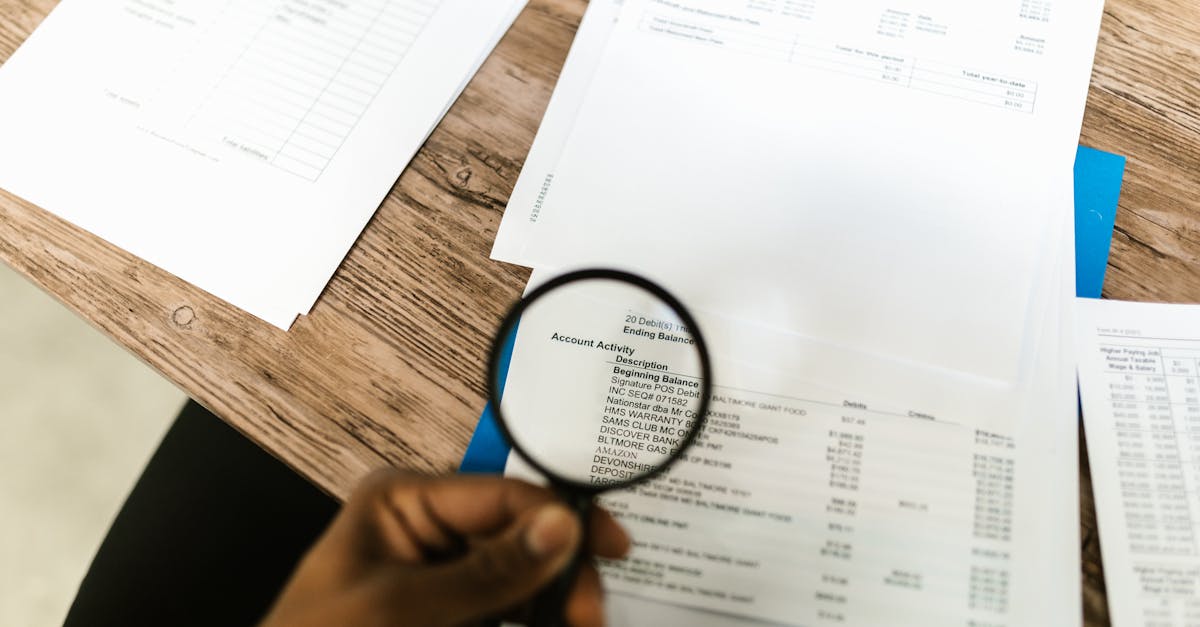
How often do you check your actual transactions? If the answer is once a month when your statement arrives, you are leaving your back door wide open. In the age of digital skimming and data breaches, you need to be the sheriff of your own financial town. Check your transaction history at least once a week. You are looking for unauthorized charges, double billing, or even that subscription you thought you canceled six months ago. By catching these issues early, you can dispute them before they snowball into a bigger problem. It is much easier to fix a fraudulent charge today than it is to claw back money from three months ago.
Forgetting About Forgotten Recurring Charges
Subscription fatigue is real. You sign up for a free trial of a streaming service, forget to cancel it, and suddenly you are paying fifteen dollars a month for content you have not watched since last year. These micro charges are the termites of your checking account. They eat away at your balance slowly, making it hard to notice until you look at your budget and wonder where your paycheck went. Audit your recurring payments every quarter. If you have not used a service in thirty days, cut it loose. You can always resubscribe later if you decide you actually miss it.
Paying Extra for Paper Statements
Believe it or not, some banks still charge you to mail a piece of paper to your house every month. It sounds archaic, because it is. Not only is it an unnecessary expense, but paper statements are also a goldmine for identity thieves who might raid your mailbox. Switch to electronic statements immediately. They are safer, better for the environment, and usually free. Plus, you will have a digital paper trail that is searchable, which makes balancing your budget significantly easier.
Leaving Your Debit Card Vulnerable
Your debit card is connected directly to your checking account, which makes it a much more dangerous tool than a credit card. If someone steals your credit card, they are spending the bank’s money. If they get your debit card, they are spending your rent money. Always treat your debit card like cash. Use it for PIN based transactions whenever possible, and try to use a credit card for online purchases where fraud protection is generally stronger. Also, keep your PIN a secret. It sounds like common sense, but you would be surprised how many people use their birthday or house number as a code.
The Chaos of Maintaining Too Many Accounts
Is your financial life spread across four different banks? Keeping track of multiple accounts is a recipe for disaster. When you are juggling logins and balances, it is incredibly easy to lose track of what you have where, leading to forgotten fees or missed deposits. Consolidate your finances. Pick one primary checking account for your daily needs and move your savings to a high yield account. By simplifying your financial footprint, you reduce the surface area for errors and make it much easier to see the big picture of your net worth.
Ignoring High Yield Opportunities
Most standard checking accounts pay you absolutely nothing in interest. While checking accounts are for spending, not investing, you should still ensure that your money is not just sitting there doing nothing. Some banks offer interest bearing checking accounts. If you keep a healthy buffer of cash in your account for emergencies, you might as well put that money in an account that earns at least a tiny bit of interest. It is not going to make you rich overnight, but it is better than earning zero percent return.
Skipping Advanced Security Features
If your bank offers two factor authentication, turn it on right now. It adds an extra layer of protection that prevents a hacker from accessing your account even if they manage to steal your password. Think of it like a deadbolt on your front door. A lock is good, but a lock and a deadbolt are much better. Take advantage of app based features like card locking, which allows you to freeze your card instantly if you misplace it. These modern tools are there to protect you, but they only work if you actually take the time to enable them.
Misusing Mobile Banking Capabilities
Mobile banking is amazing, but it can also lead to bad habits. Some people deposit checks through their phone and then accidentally throw the physical check away before it clears. Always keep your physical checks in a safe place until you see that the money has officially posted to your account. Also, never access your banking app over public Wi-Fi at a coffee shop or airport. Use your cellular data instead. It is a small precaution that significantly lowers the risk of someone intercepting your login credentials while you are checking your balance.
The Ripple Effect of Bounced Checks
A bounced check is the ultimate financial embarrassment. Not only do you get hit with a fee from your bank, but the person or company you tried to pay will often charge you a returned check fee as well. Furthermore, it damages your relationship with the recipient and, in some cases, can hurt your standing with banking reporting agencies. Always verify your balance before writing a check or scheduling a bill payment. If you are ever unsure, it is better to delay the payment by one day than to deal with the fallout of a bounced check.
The Fear of Switching Banks
Many people stay with a bad bank simply because they are afraid of the hassle of moving their direct deposits and auto pays. This is a classic case of sticking with the devil you know. The reality is that most banks have automated tools to help you switch. It usually takes less than an hour of effort to set up a new account and move your primary obligations. If your current bank is nickel and diming you, do not be afraid to fire them and find a financial partner that actually values your business.
Prioritizing Convenience Over Financial Literacy
Finally, the biggest mistake is not knowing how your checking account works in the first place. Banks use complicated terminology to hide fees and conditions. Take an hour to read your account agreement. Understand how they calculate interest, when they post deposits, and what their specific policies are on foreign transaction fees. The more you know, the harder it is for a bank to take advantage of you. Being financially literate is the best defense you have against losing money to avoidable banking errors.
Conclusion
Managing a checking account effectively is not about being a math genius or a wall street expert. It is about discipline, awareness, and using the tools at your disposal to keep your money safe and accessible. By avoiding these common traps, you can keep more of your hard earned money in your pocket instead of feeding it back into the bank’s coffers. Start by doing a quick audit of your account, enable those security alerts, and commit to checking your transactions regularly. Small, consistent changes in how you manage your bank account will lead to much larger rewards in your overall financial health.
Frequently Asked Questions
1. How can I get my overdraft fees waived?
If you have a good track record, call your bank and ask nicely. Often, if you explain it was an honest mistake and you are a loyal customer, they will waive the fee as a one time courtesy.
2. Is it bad to have more than one checking account?
Not necessarily, but it is unnecessary for most people. If you use multiple accounts for specific budgets, that is fine, but keep the number low to avoid losing track of fees and account requirements.
3. What should I do if I see a fraudulent charge?
Contact your bank’s fraud department immediately. Most banks have a 24/7 hotline for this. The sooner you report it, the more protection you have under federal law.
4. Do I really need to wait for a check to clear?
Yes. Even if your bank shows a pending deposit, the funds are not truly yours until they clear. Spending that money before it clears is the fastest way to trigger an overdraft fee.
5. Are online banks safer than traditional brick and mortar banks?
Safety is not about the building; it is about the institution. Ensure that any bank you choose is FDIC insured. As long as they are, your money is protected up to the legal limits regardless of whether they have a physical branch or not.